🦐 Why Is My Shrimp Rubbery and How to Fix It (Easy Tips for Perfect Texture)
Shrimp can be deliciously juicy and tender — but all too often, it ends up tough and rubbery instead. If you’ve asked “Why is my shrimp rubbery?” you’re definitely not alone. Cooking shrimp perfectly is simple, but it hinges on understanding a few key mistakes and fixes.
🧠 Why Shrimp Gets Rubbery in the First Place
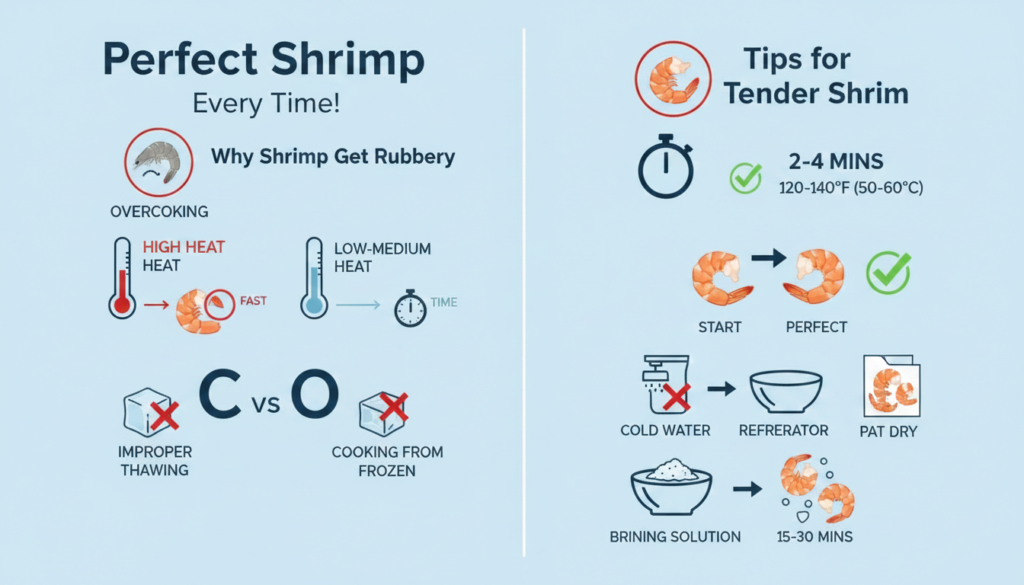
The most common culprit is overcooking. Shrimp is delicate — unlike chicken or beef, it cooks incredibly fast. When exposed to heat even a little too long, its proteins tighten, squeeze out moisture, and leave you with a chewy, rubbery bite.
🔍 Other contributing factors:
- Improper thawing of frozen shrimp
- Starting with low-quality or old shrimp
- Using cooking methods that heat unevenly
- Cooking shrimp straight from frozen without a proper thaw
👉 Think of it like squeezing a sponge — the harder and longer you squeeze, the more water you lose.
🍤 How to Prevent Shrimp From Becoming Rubbery
Here are easy fixes and techniques every home cook needs:
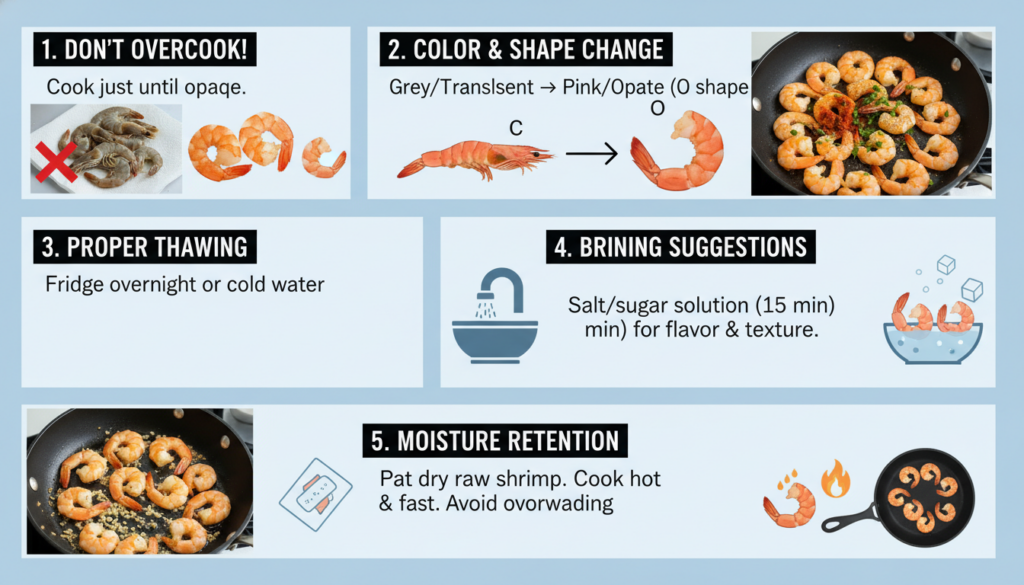
🕒 1. Don’t Overcook Shrimp (Key Rule!)
Shrimp only needs a very short time on heat.
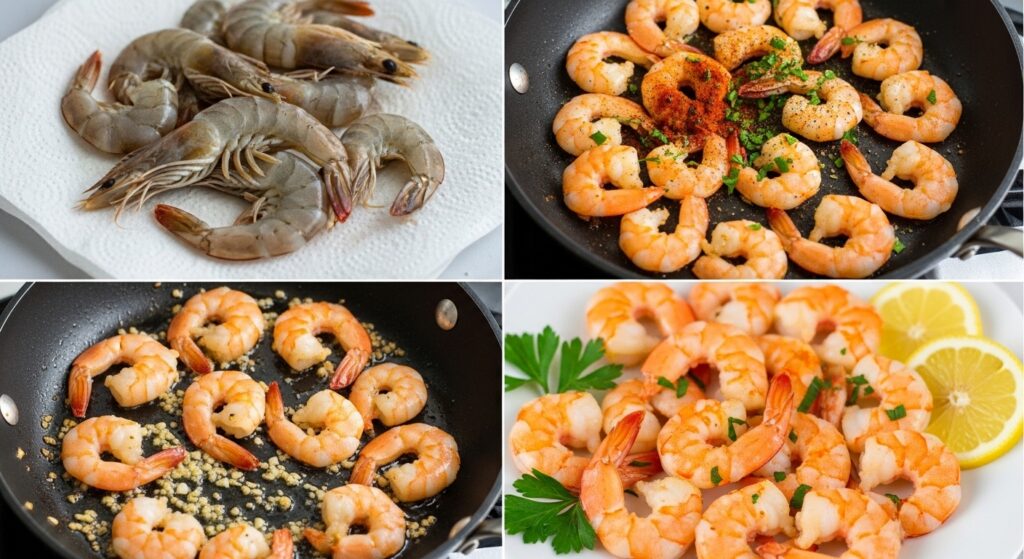
- Sauté, pan-fry, or grill for 2–3 minutes per side until shrimp turns opaque pink.
- Stop cooking as soon as it’s done — even lingering heat will continue to cook the shrimp.
💡 A small trick is watching for the shrimp curling into a loose “C-shape.” If it tightens into a tight “O,” it’s probably overcooked.
❄ 2. Thaw Frozen Shrimp Properly
If you start with frozen shrimp, thaw gently:
- Thaw in the refrigerator overnight, or
- Place in cold water for 15–20 minutes until just thawed.
Avoid thawing at room temperature — that can damage texture.
🧂 3. Try a Simple Brine Before Cooking
Brining helps shrimp retain moisture and prevents them from drying out too fast.
🔹 Mix 1 tablespoon of salt per quart of water and soak for 15–30 minutes before cooking.
Pat dry before cooking for better searing.
(Note: There are also dry brine methods with salt + baking soda that chefs use to enhance texture even more. )
🍳 4. Cook in Small Batches
Don’t overcrowd your pan. Too many shrimp at once lowers heat and steams them instead of searing, which can lead to uneven cooking and rubbery spots.
🧈 5. Add Moisture or Sauce
If some shrimp turns out slightly rubbery:
- Sauté briefly in butter or broth — it reintroduces moisture.
- Toss with a flavorful sauce (like scampi, creamy Alfredo, or spicy tomato sauce) — sauces help mask the texture and make shrimp taste more tender.
🍋 Bonus Tips for Perfect Texture
✔ Rest the Shrimp After Cooking
Letting shrimp sit for a minute helps redistribute juices so they stay juicy instead of leaking out.
✔ Avoid High Acid for Too Long
Marinades are great, but too much lemon or vinegar for very long can break down proteins too much and lead to mushiness.
✔ Use Visual Cues, Not Just Time
Shrimp goes from translucent to pink when done — once that happens, remove from heat!
🦐 Quick Shrimp Cooking Time Chart
| Shrimp Size | Cooking Time (per side approx.) |
|---|---|
| Small | ~1–2 minutes |
| Medium | ~2–3 minutes |
| Large | ~3–4 minutes |
(Remember: Shrimp cooks very fast, so watch closely!)
📝 Final Takeaway
Rubbery shrimp is almost always caused by overcooking or improper prep, but it’s easily fixed when you know what to watch for:
✔ Proper thawing
✔ Don’t overcook – remove as soon as opaque
✔ Brine before cooking
✔ Add moisture or sauce if needed
✔ Don’t overcrowd the pan