🥘 Brazilian Seafood Stew (Moqueca)
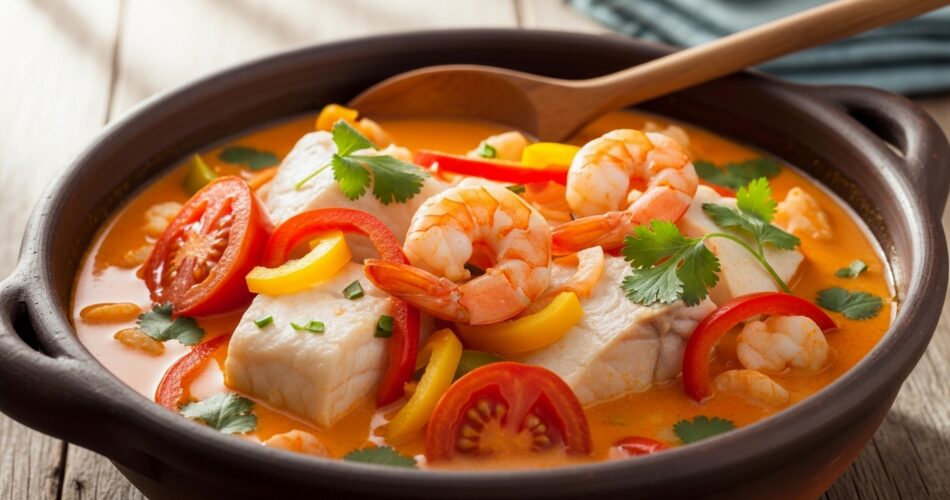
Moqueca is one of Brazil’s most famous seafood dishes. It is a rich, aromatic stew made with fish or shrimp simmered with tomatoes, onions, garlic, herbs, and often coconut milk and palm oil. The dish is especially popular in the Brazilian coastal states of Bahia and Espírito Santo.
⭐ Why This Recipe Is Great
🐟 Rich Seafood Flavor
Moqueca combines fresh fish or shrimp with vegetables and spices, creating a flavorful broth that highlights the natural taste of seafood.
🥥 Creamy and Aromatic
Many versions include coconut milk and dendê (red palm oil), which add richness and a distinctive color and flavor to the stew.
🍅 Balanced Ingredients
The stew typically includes tomatoes, onions, garlic, and peppers, which give the dish a vibrant taste and fresh aroma.
🍚 Perfect with Rice
Moqueca is usually served with white rice, farofa (toasted cassava flour), or pirão, a thick sauce made from the stew’s broth.
🛒 Ingredients
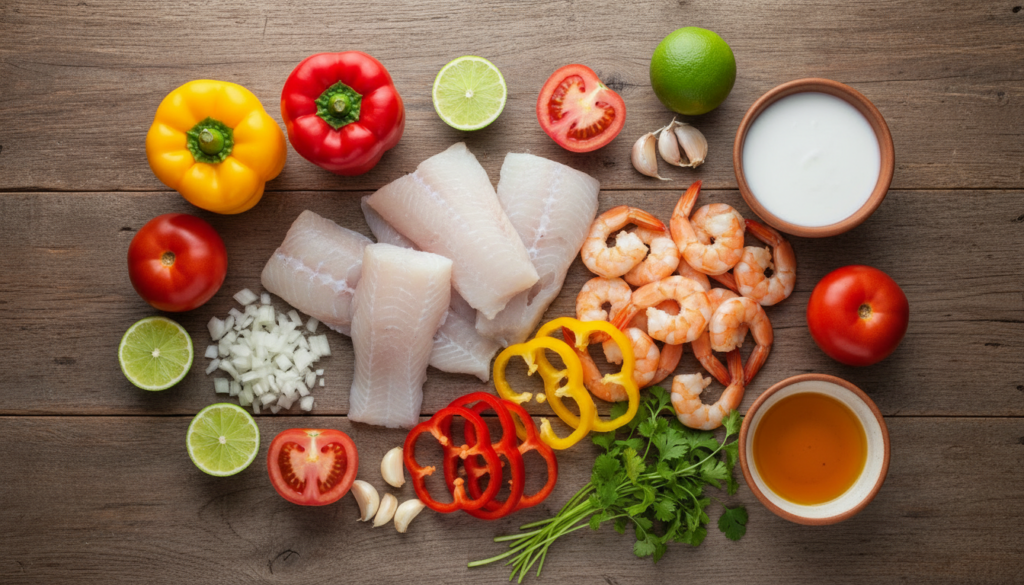
- 500 g white fish (snapper, cod, or sea bass) or shrimp
- 1 onion (sliced)
- 2 tomatoes (chopped)
- 1 bell pepper (sliced)
- 3 garlic cloves (minced)
- 1 cup coconut milk
- 2 tbsp dendê oil (or olive oil)
- 1 lime (juice)
- Fresh cilantro
- Salt and black pepper
👨🍳 How to Make Brazilian Moqueca
1️⃣ Marinate the Fish
Season the fish with lime juice, garlic, salt, and pepper and let it marinate for about 15 minutes.
2️⃣ Cook the Aromatics
In a large pot, sauté onions, garlic, tomatoes, and bell peppers in oil until soft.
3️⃣ Add the Seafood
Place the fish or shrimp on top of the vegetables.
4️⃣ Add Coconut Milk
Pour in the coconut milk and simmer gently for 10–15 minutes until the fish is cooked and tender.
5️⃣ Finish the Dish
Add chopped cilantro and adjust seasoning. Serve hot with rice.
📜 History & Origins
Moqueca has centuries-old roots in Brazil and reflects the country’s cultural blend of Indigenous, African, and Portuguese influences.
- The name comes from the Tupi word “pokeka,” referring to fish wrapped in leaves and roasted by Indigenous peoples.
- Portuguese settlers later adapted the cooking method by preparing seafood stews in pots.
- Enslaved Africans introduced ingredients such as dendê (palm oil), coconut milk, and chili peppers, which gave the dish its modern flavor.
Today, moqueca is considered a symbol of Brazilian cuisine and a must-try dish for visitors to the country.
🥗 Why This Recipe Is Healthy
(Brazilian Seafood Stew – Moqueca)
🐟 High-Quality Lean Protein
Moqueca is typically made with fish or shrimp, which are excellent sources of lean protein. Protein helps build and repair muscles and keeps you feeling full longer. Seafood also provides essential nutrients such as vitamin B12, iodine, selenium, and omega-3 fatty acids, which support heart and brain health.
❤️ Heart-Healthy Omega-3 Fats
Fish used in moqueca naturally contains omega-3 fatty acids, which may help reduce inflammation and lower the risk of heart disease. These healthy fats also contribute to better cardiovascular and brain function.
🥥 Nutrient-Rich Coconut Milk
Coconut milk adds creaminess while providing minerals like potassium, magnesium, and iron that support muscle function and healthy blood pressure. It also contains medium-chain triglycerides (MCTs), a type of fat that the body can quickly convert into energy.
🍅 Packed with Vitamins from Vegetables
Moqueca includes vegetables such as tomatoes, bell peppers, onions, and herbs, which provide important nutrients like:
- Vitamin C for immune support
- Vitamin A and antioxidants for healthy skin and eyes
- Fiber to aid digestion
These ingredients help protect the body against oxidative stress and support overall health.
⚖️ Balanced and Nutritious Meal
A serving of moqueca can provide 25–35 g of protein with moderate calories and healthy fats, making it a satisfying yet balanced meal.
✅ In short:
Moqueca is healthy because it combines lean seafood protein, heart-healthy fats, and vitamin-rich vegetables, creating a flavorful dish that is both nourishing and satisfying.