How to Cook Frozen Seafood Like It’s Fresh — No Mistakes, Easy Thawing & Cooking Tips
Many home cooks struggle with frozen seafood — unsure how to thaw it, cook it without becoming rubbery, or make it taste as good as fresh. The good news? With the right techniques, frozen seafood can be just as tender and flavorful as fresh — without mistakes. This guide walks you through safe thawing, cooking methods, and simple tips for perfect results every time.
🧊 1. Start With Proper Thawing
Thawing correctly is the foundation of great tasting seafood.
- Refrigerator thawing: Place frozen seafood (still sealed) in the fridge overnight. This slow method preserves texture and flavor.
- Cold water thawing (quick method): Seal seafood in a leak-proof bag and submerge in cold water, changing every 20–30 minutes until thawed.
❗ Avoid thawing at room temperature, which encourages bacterial growth, and avoid warm water — it starts to cook the seafood edges.
🧼 2. Dry Thoroughly for Best Texture
Once thawed:
- Rinse lightly under cold water if you want to remove surface ice or strong aromas.
- Pat completely dry with paper towels before cooking. Removing excess moisture helps seafood sear and develop flavor rather than steam.
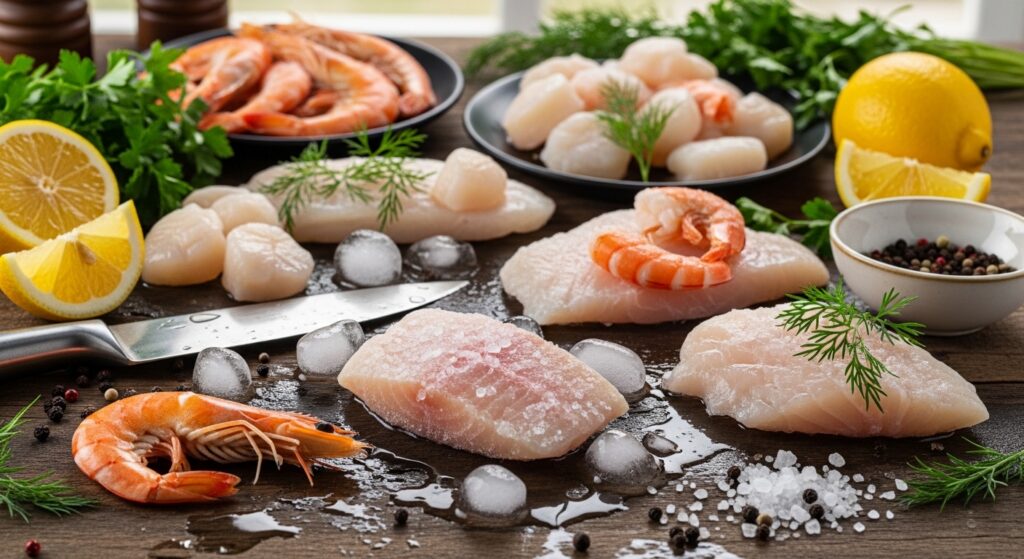
🍳 3. Choose the Right Cooking Method
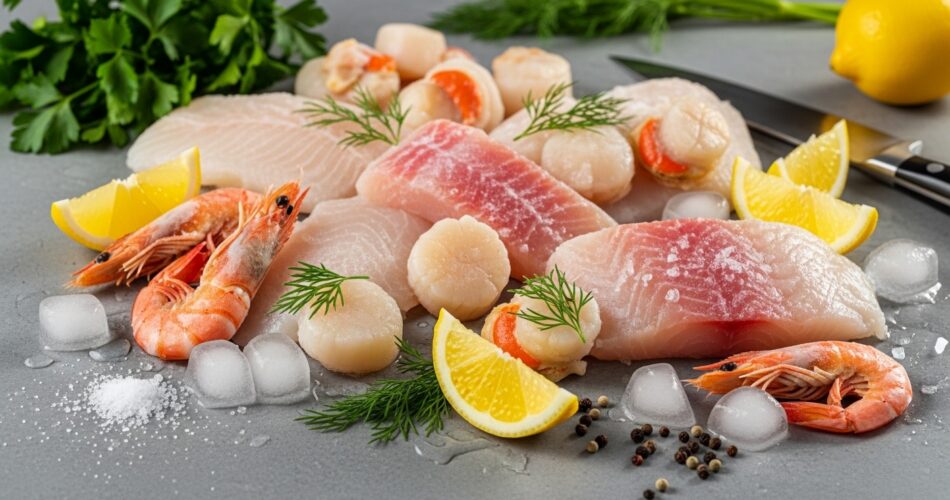
Whether you’re cooking fish, shrimp, scallops, or a seafood mix, method matters:
🍤 Cook From Thawed (Ideal)
Thawed seafood cooks evenly and delivers the best texture. You can:
- Pan-sear: High heat with a light coating of oil gives a crisp outside and tender inside. Pat seafood dry first.
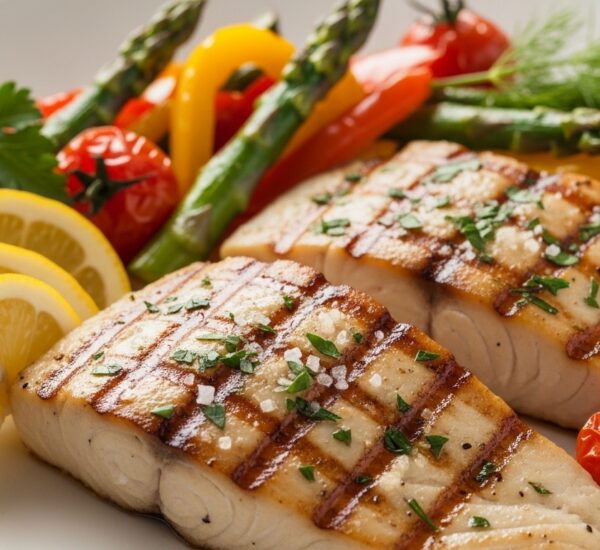
- Grill: Brush thawed seafood with oil and grill over medium heat for a smoky flavor.
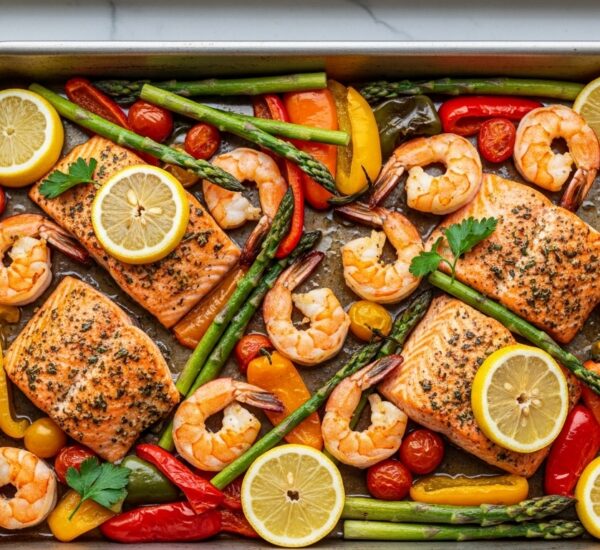
- Bake: Season with herbs and lemon; bake at a moderately high temperature for flaky results.
❄ Cook Directly from Frozen (Quick & Safe)
Some seafood cooks beautifully straight from frozen — just expect slightly longer cook time:
- Brush fish with oil and cook in a hot pan or grill, flipping once it browns.
- Increase cook time by about 50% compared to fresh or thawed seafood to ensure it’s cooked through.
Cooking from frozen is especially handy for shrimp, scallops, and thinner fish fillets.
🧂 4. Season Lightly to Let Natural Flavors Shine
Frozen seafood often freezes at peak freshness, so heavy seasoning isn’t needed. Simple flavor boosters include:
- Lemon juice or zest
- Olive oil
- Fresh herbs (parsley, dill, thyme)
- Garlic or pepper
These enhance seafood without overpowering its natural taste.
👍 5. Avoid Common Mistakes
✔ Overcooking: Seafood becomes dry or rubbery if left too long. Cook until just opaque and flaky.
✔ Skipping drying: Moist seafood steams, which dulls flavor and texture.
✔ Using heavy sauces early: Add sauces after seafood is nearly cooked to preserve texture.
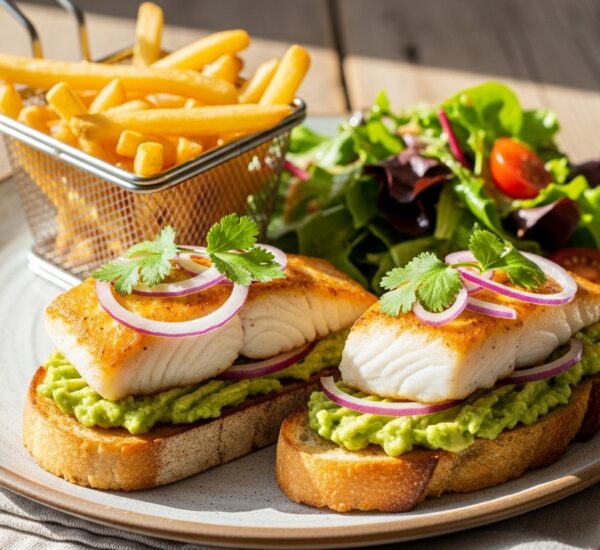
🍽 6. Simple Serving Ideas
Once you’ve perfected your thawing and cooking technique, pair your seafood with:
- Citrus-herb rice
- Garlic butter pasta
- Loaded salad
- Grilled veggies
Frozen seafood can easily become a gourmet dinner with minimal effort when prepared right!
🧠 Final Thoughts
With proper thawing, correct cooking techniques, and light seasoning, frozen seafood doesn’t have to taste frozen. These methods help you achieve fresh-like texture and flavor — every time.