Seafood Cooking Mistakes That Make Your Fish Tough (And How to Avoid Them)
Cooking fish and other seafood sounds simple, but even experienced home cooks make mistakes that can turn a juicy fillet into a dry, tough, or rubbery dish. Many of these issues stem from misunderstanding how delicate seafood truly is — it cooks quickly and needs gentle handling to stay moist and flavorful.
In this article, we’re breaking down the most common seafood cooking mistakes that make your fish tough, why they happen, and exactly how to fix them for tender, delicious results.
🧠 1. Overcooking — The #1 Culprit
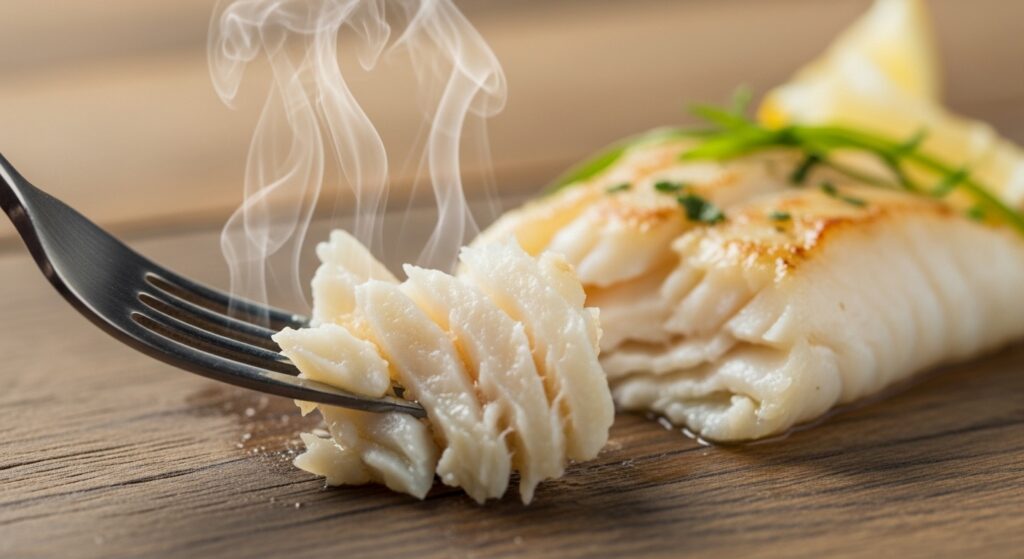
Fish and seafood have very delicate flesh with less connective tissue than beef or chicken, which means they cook fast and dry out quickly. Overcooking causes the proteins to tighten and squeeze out moisture, resulting in dry, flavorless, and tough fish.
Fix:
- Remove fish from heat as soon as it becomes opaque and flaky.
- If you’re unsure, use a fork to test — it should separate easily.
- Remember seafood continues cooking for a short time after you take it off the heat.
🐠 2. Not Drying the Fish Before Cooking
Moisture is the enemy of good searing. If you cook seafood straight from the bag or after rinsing without drying, the water will create steam and prevent browning. This leads to rubbery, uneven texture rather than a crisp golden surface.
Fix:
Pat seafood thoroughly dry with paper towels before seasoning and cooking. This step helps create a nice crust and keeps juice inside the flesh.
🍳 3. Turning or Moving the Fish Too Often
Many home cooks get nervous and start flipping their fish repeatedly. But constantly flipping interrupts the cooking process, stops proper browning, and can break the fillet — contributing to dry, chewy meat.
Fix:
- Let the fish cook undisturbed on one side until it releases naturally.
- Then flip once to finish the other side. This helps it cook evenly and stay tender.
🌡️ 4. Incorrect Heat Level
Cooking seafood at too low or too high heat can ruin texture. A cold pan means your fish absorbs more oil and steams rather than sears, while too high heat can burn the outside before the inside is done — leading to a dry exterior and undercooked center.
Fix:
Preheat your pan or grill adequately — a few minutes on medium-high heat is usually best for proper searing and even cooking.
🧂 5. Seasoning at the Wrong Time
Salt can draw moisture out of seafood when applied too early, which dries out the flesh and affects texture.
Fix:
Season seafood with salt and herbs just before you start cooking or even toward the end, so the seasoning enhances flavor without pulling too much moisture out.
🐡 6. Choosing the Wrong Species or Cut for the Method
Not all seafood cooks the same. Delicate fillets like flounder need gentler methods like steaming or baking, while firmer fish like tuna or salmon can handle higher heat and quick searing.
Fix:
Match your cooking method to the seafood type to prevent dryness or toughness.
🛠️ 7. Cooking Without Proper Tools
Using the wrong pan or overcrowding the pan can cause steaming rather than searing, which negatively affects texture. A pan that’s too small traps moisture and prevents even cooking.
Fix:
Use a pan large enough for the seafood, and avoid overcrowding — cook in batches if necessary so each piece gets even heat exposure.
🍽️ 8. Forgetting to Let Seafood Rest
Just like meat, letting seafood rest for a few minutes after cooking redistributes juices — keeping your fish moist instead of dry and chalky.
Fix:
Take your seafood off heat a little early and let it rest covered briefly before serving.
🧠 Final Takeaway
If your fish often turns out dry or tough, the issue usually boils down to:
✔ Overcooking
✔ Excess moisture
✔ Incorrect heat or handling
✔ Poor timing with seasoning
✔ Wrong method for the cut
Avoiding these common seafood cooking mistakes will help you nail moist, flaky, and tender seafood every time — whether you’re grilling, pan-searing, or baking.